
Holistic Fitness for Body, Mind & Inner Balance
Not just workouts or diet — a complete healing system for modern life.
Personalized • Natural • Sustainable
WHAT IS HOLISTIC FITNESS
Holistic fitness is a complete approach to health that focuses on balancing the body, mind, and inner well-being rather than concentrating only on workouts or diet plans.
Unlike conventional fitness routines that emphasize appearance or short-term results, this approach works on the root causes of imbalance through physical movement, mental clarity, emotional stability, and sustainable lifestyle practices.
At Mindshift, holistic fitness is designed to help individuals achieve long-term health by aligning physical strength with mindful awareness and natural healing methods. This approach recognizes that true fitness is not just about how the body looks, but how it functions, feels, and adapts to daily life.
Natural Healing
Personalized Care
Mind–Body Balance
Long-Term Results
OUR CORE SERVICES
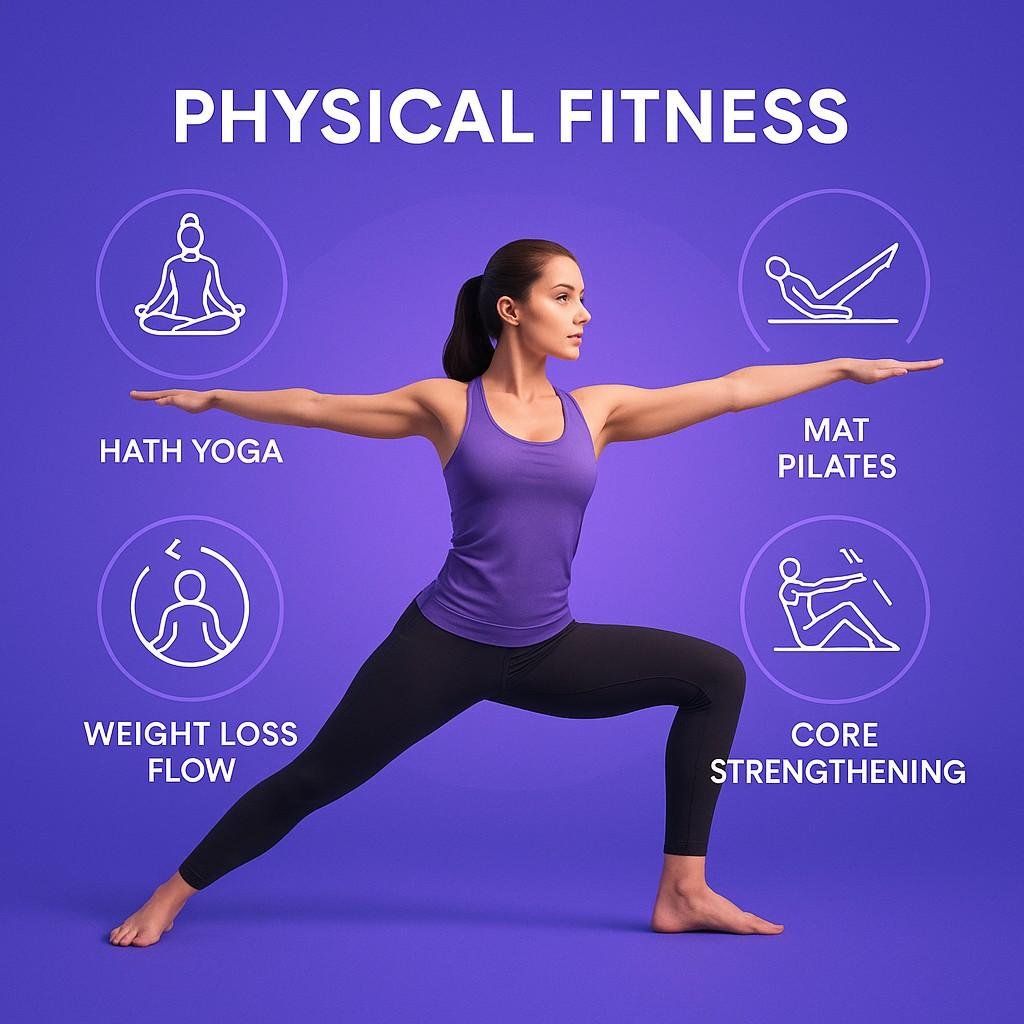
Physical Fitness
- Functional training & mobility
- Yoga & corrective movements
- Posture & flexibility improvement
- Energy-based body activation

Nutritional Fitness
- Personalized nutrition guidance
- Ayurvedic & mindful eating principles
- Digestive health support
- Lifestyle-based diet planning

Mental & Emotional Fitness
- Breathwork & meditation
- Stress & anxiety management
- Emotional release techniques
- Mindfulness practices for daily life

Panchkarma Healing
- Traditional Panchkarma therapies
- Toxin removal & dosha balance
- Nervous system relaxation
- Immune & hormonal support
Why Holistic Fitness Is Important in Modern Life
Modern lifestyles often lead to stress, sedentary habits, irregular eating patterns, and mental fatigue. While gym workouts or crash diets may offer temporary benefits, they often fail to address deeper issues such as emotional stress, mental overload, and lack of balance.
Holistic fitness becomes essential because it:
- Improves physical strength and flexibility naturally
- Reduces stress and mental fatigue
- Supports emotional balance and clarity
- Encourages sustainable health habits
- Focuses on prevention rather than correction